
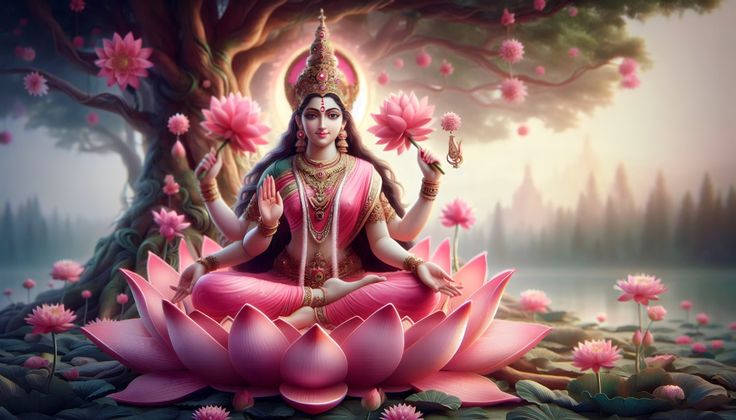
Among the nine forms of Goddess Durga worshipped during Navratri, Maa Siddhidatri occupies the ninth and final day, symbolizing spiritual perfection, divine knowledge, and the ultimate attainment of siddhis (powers). Her name, Siddhidatri, literally means “Giver of Perfection and Supernatural Powers”, highlighting her role as the ultimate source of spiritual blessings. While each form of Durga represents unique virtues, Siddhidatri embodies the culmination of divine energy, offering wisdom, fulfillment, and divine grace to her devotees.
Celebrated on the ninth day of Navratri, her worship is not merely ritualistic—it is a profound act of connecting with the cosmic energy that governs knowledge, spiritual insight, and mastery over self and the universe. Her devotees believe that sincere devotion to Maa Siddhidatri brings success, enlightenment, and liberation from obstacles, preparing the soul for the ultimate spiritual journey.
The Mythological Story of Maa Siddhidatri
Maa Siddhidatri is deeply rooted in Hindu mythology, where she is recognized as the Goddess who bestows supernatural powers (siddhis) upon sages, devotees, and gods alike. According to the scriptures, during the battle between the gods and demons, many gods sought the help of a divine force to gain powers to overcome evil. Maa Siddhidatri appeared as the source of all siddhis, granting boons to gods, sages, and humans who approached her with true devotion.
Her appearance at the ninth day of Navratri signifies the completion of the cycle of spiritual growth. She is considered the end of the Navadurga series, representing not only material accomplishments but also spiritual attainment, knowledge, and the ultimate balance of mind, body, and soul.
Appearance and Symbolism of Maa Siddhidatri
Maa Siddhidatri is often depicted seated on a lotus or a lion, adorned in vibrant garments, carrying divine symbols in her hands. She typically holds a chakra (discus), conch, mace, and lotus, each symbolizing a unique aspect of her energy:
- Chakra: Represents the control of time and cosmic order.
- Conch: Symbolizes the sound of creation and spiritual awakening.
- Mace (Gada): Signifies strength, courage, and protection from evil.
- Lotus: Embodies purity, spiritual enlightenment, and detachment from worldly desires.
Maa Siddhidatri’s form embodies the balance between power and wisdom, illustrating that true strength lies not only in conquering external challenges but also in mastering the inner self. Her serene yet commanding presence reassures devotees that spiritual knowledge and divine grace are accessible through devotion and righteous living.
Spiritual Significance
The spiritual significance of Maa Siddhidatri is profound. She is not just a deity of supernatural powers but also a guide for self-realization and inner mastery. Worshipping her is believed to:
- Bestow knowledge, wisdom, and clarity of thought.
- Grant siddhis or spiritual powers, which can include insight, courage, and the ability to overcome obstacles.
- Remove ignorance, negativity, and obstacles from the path of devotees.
- Facilitate spiritual growth, bringing one closer to enlightenment and liberation (moksha).
Maa Siddhidatri’s energy reminds us that true power comes from within. While the outer world may present challenges, it is the combination of spiritual discipline, knowledge, and inner purity that allows us to rise above difficulties. Devotees often seek her blessings for guidance in decision-making, overcoming fears, and achieving personal and spiritual fulfillment.
Worship and Rituals
The ninth day of Navratri is dedicated to Maa Siddhidatri, and her worship is considered highly auspicious. Devotees begin with purification rituals, taking a sacred bath and wearing clean clothes, often in bright or red colors symbolizing energy and auspiciousness.
The altar is adorned with flowers, incense, lamps, and offerings such as fruits, sweets, and milk. The worship begins with chanting her mantras and reciting prayers, which may include the following:
“Om Siddhidatryai Namah”
Chanting this mantra is believed to invoke her divine energy, spiritual insight, and the grace to attain siddhis. Many devotees also observe fasting on this day, consuming only light vegetarian meals, fruits, or milk, as a form of discipline and self-purification.
Temples across India, from rural to urban regions, see large gatherings of devotees during the ninth day of Navratri. People perform aarti, bhajans, and kirtans, celebrating her power, grace, and the completion of the Navadurga worship cycle.
Legends and Cultural Influence
Maa Siddhidatri’s legend emphasizes her role as the ultimate benefactor of divine powers. In some texts, she is described as the Goddess who granted eight specific siddhis to sages and gods: Anima (shrinking to the size of an atom), Mahima (expansion to any size), Garima (heaviness), Laghima (lightness), Prapti (attaining any object), Prakamya (fulfilling desires), Ishitva (supremacy), and Vashitva (control over others). These powers symbolize mastery over the physical, mental, and spiritual realms.
Culturally, Maa Siddhidatri’s influence extends beyond rituals. Her image is celebrated in art, literature, and folk traditions, inspiring devotees to pursue discipline, spiritual learning, and righteous action. Songs, devotional stories, and performances narrate her benevolence and guidance, reminding humanity that knowledge and virtue are the greatest powers.
Modern Relevance of Maa Siddhidatri
In today’s fast-paced, material-focused world, Maa Siddhidatri remains a source of inspiration and guidance. Her teachings emphasize the importance of inner strength, clarity of mind, and spiritual awareness. While modern devotees may not always seek supernatural powers, the qualities she embodies—wisdom, patience, purity, and focus—remain timelessly relevant.
Many share personal experiences of how praying to Maa Siddhidatri helped them gain mental clarity, confidence, and emotional balance. Her blessings are seen as guiding lights for those navigating challenges in careers, relationships, or personal growth. By connecting with her energy, devotees find resilience, insight, and a sense of purpose.
How to Connect Spiritually with Maa Siddhidatri
Connecting with Maa Siddhidatri goes beyond rituals—it is about embodying her qualities and aligning with her energy. Devotees can strengthen their spiritual bond through:
- Daily Prayer or Mantra Recitation: Chanting “Om Siddhidatryai Namah” to invoke divine guidance and clarity.
- Meditation on the Lotus: Visualizing her seated on a lotus, radiating light, can purify thoughts and focus the mind.
- Acts of Discipline and Knowledge: Pursuing learning, self-discipline, and ethical actions reflect her teachings.
- Seeking Inner Mastery: Observing control over emotions, desires, and negative impulses aligns one with her siddhi energy.
These practices help devotees balance outer success with inner wisdom, making spiritual growth tangible in everyday life.
Celebrating Maa Siddhidatri During Navratri
The ninth day of Navratri is not only a celebration of Maa Siddhidatri but also a culmination of the entire Navadurga worship cycle. Devotees decorate homes and temples, wear auspicious colors, and offer special prasads such as fruits, milk, sweets, and flowers.
Folk performances, devotional songs, and community gatherings narrate the story of Maa Siddhidatri, bringing people together in shared devotion and spiritual celebration. In many households, this day also marks the completion of fasting rituals, reflecting both self-discipline and gratitude.
By observing her rituals, devotees feel closer to the divine, experiencing a sense of peace, protection, and spiritual fulfillment that transcends material concerns.
Siddhidatri Mata: The Path to Fulfillment
Maa Siddhidatri represents the ultimate goal of human life—to achieve perfection, knowledge, and liberation. Her energy teaches that while material achievements are fleeting, spiritual mastery and wisdom are eternal.
Through devotion to Maa Siddhidatri, one cultivates clarity of thought, moral strength, and inner confidence. Her blessings inspire us to overcome obstacles, align with righteousness, and pursue life with purpose and balance. She is a reminder that true power is attained not through force but through knowledge, discipline, and devotion.
Maa Siddhidatri’s radiance, wisdom, and benevolence illuminate the hearts of her devotees, guiding them towards spiritual fulfillment, inner peace, and the ultimate realization of self. Her presence is not limited to temples or scriptures—it resides in the hearts of those who seek clarity, balance, and divine grace in their lives.
माँ सिद्धिदात्री: दिव्य शक्ति और आध्यात्मिक पूर्णता की देवी
नवरात्रि के नौ दिनों में माँ दुर्गा के नौ रूपों में से माँ सिद्धिदात्री का विशेष स्थान है। वह नौवें दिन की पूजा में विराजमान होती हैं और उनका स्वरूप आध्यात्मिक पूर्णता, दिव्य ज्ञान और सिद्धियों की प्राप्ति का प्रतीक है। उनका नाम “सिद्धिदात्री” इसका अर्थ ही स्पष्ट करता है – “सभी सिद्धियों की दात्री”। वह उन देवी स्वरूपों में से हैं, जो न केवल शक्ति देती हैं बल्कि जीवन में ज्ञान, सफलता और आध्यात्मिक उन्नति भी प्रदान करती हैं।
नवरात्रि के नौवें दिन उनकी पूजा का महत्व केवल धार्मिक नहीं है, बल्कि यह मानव जीवन में आत्मज्ञान और आध्यात्मिक विकास का प्रतीक है। उनके भक्त मानते हैं कि माँ सिद्धिदात्री की भक्ति से सफलता, मानसिक स्पष्टता और सभी बाधाओं से मुक्ति मिलती है।
माँ सिद्धिदात्री की पौराणिक कथा
माँ सिद्धिदात्री हिन्दू धर्म की कथाओं में सभी देवी-देवताओं और ऋषियों को सिद्धियों प्रदान करने वाली शक्ति के रूप में जानी जाती हैं। प्राचीन ग्रंथों के अनुसार, जब असुरों और राक्षसों के साथ युद्ध हुआ, तब देवताओं ने दिव्य शक्ति पाने के लिए माँ सिद्धिदात्री की शरण ली। माँ ने अपने भक्तों और देवताओं को सिद्धियों और आशीर्वादों से परिपूर्ण किया।
नवरात्रि में नौवें दिन उनका पूजन यह दर्शाता है कि आध्यात्मिक यात्रा पूर्ण होती है, और भक्तों को ज्ञान, शक्ति और आंतरिक संतुलन प्राप्त होता है। वह न केवल भौतिक सफलता का मार्ग दिखाती हैं, बल्कि आध्यात्मिक प्रगति और आत्मसिद्धि की ओर भी ले जाती हैं।
माँ सिद्धिदात्री का स्वरूप और प्रतीकात्मकता
माँ सिद्धिदात्री का स्वरूप अत्यंत दिव्य और शक्तिशाली माना जाता है। वह अक्सर कमल पर या सिंह पर विराजमान होती हैं और उनके हाथों में चक्र, शंख, गदा और कमल दिखाई देते हैं। इन प्रतीकों का महत्व इस प्रकार है:
- चक्र (डिस्कस): समय और ब्रह्मांडीय व्यवस्था पर नियंत्रण।
- शंख: सृष्टि की ध्वनि और आध्यात्मिक जागरूकता।
- गदा (गदा): शक्ति, साहस और बुराई से रक्षा।
- कमल: शुद्धता, आध्यात्मिक उन्नति और सांसारिक इच्छाओं से मोक्ष।
माँ सिद्धिदात्री का यह स्वरूप शक्ति और ज्ञान का संतुलन दर्शाता है। यह बताता है कि असली शक्ति केवल बाहरी चुनौतियों को जीतने में नहीं, बल्कि आत्मा पर विजय पाने में निहित है।
आध्यात्मिक महत्व
माँ सिद्धिदात्री की पूजा करने से भक्तों को ज्ञान, शक्ति और मानसिक स्पष्टता प्राप्त होती है। वह भक्तों के पथ से अज्ञान, नकारात्मकता और बाधाओं को दूर करती हैं। उनके आशीर्वाद से भक्त आध्यात्मिक प्रगति प्राप्त करते हैं और मोक्ष की दिशा में अग्रसर होते हैं।
माँ सिद्धिदात्री यह सिखाती हैं कि सच्ची शक्ति भीतर से आती है। भौतिक जीवन की परेशानियाँ चाहे जैसी हों, आध्यात्मिक अनुशासन, शुद्धता और ज्ञान से ही व्यक्ति उन्हें पार कर सकता है। भक्त अक्सर उनके आशीर्वाद से जीवन में निर्णय लेने की स्पष्टता, डर पर विजय और संतुलित दृष्टिकोण प्राप्त करते हैं।
पूजा और अनुष्ठान
नवरात्रि के नौवें दिन माँ सिद्धिदात्री की विशेष पूजा की जाती है। भक्त स्नान करके स्वच्छ वस्त्र पहनते हैं और घर या मंदिर में पूजा स्थल सजाते हैं। फूल, दीप, धूप, फल, दूध और मिठाई उनके लिए प्रसाद के रूप में अर्पित किए जाते हैं।
पूजा के दौरान मंत्रों का उच्चारण किया जाता है, जैसे:
“ॐ सिद्धिदात्रीyai नमः”
मंत्र का जाप भक्तों को सिद्धि, आध्यात्मिक शक्ति और मानसिक स्पष्टता प्रदान करता है। कई भक्त इस दिन व्रत रखते हैं और हल्का शाकाहारी भोजन ग्रहण करते हैं।
भारत के विभिन्न मंदिरों में भक्तों की बड़ी संख्या नवरात्रि के नौवें दिन माँ सिद्धिदात्री की भक्ति में जुटती है। वहाँ भजन, कीर्तन और आरती का आयोजन होता है, जिससे माहौल पूरी तरह आध्यात्मिक ऊर्जा से भर जाता है।
कथाएँ और सांस्कृतिक प्रभाव
माँ सिद्धिदात्री के अनुसार, उन्होंने आठ प्रमुख सिद्धियाँ प्रदान कीं:
- अणिमा – सूक्ष्म आकार में समाहित होने की शक्ति
- महिमा – विशाल आकार ग्रहण करने की शक्ति
- गरिमा – भारी होने की शक्ति
- लघिमा – हल्का होने की शक्ति
- प्राप्ति – किसी भी वस्तु को प्राप्त करने की शक्ति
- प्राकाम्य – इच्छाओं की पूर्ति की शक्ति
- ईशित्व – श्रेष्ठता और सर्वोच्च सत्ता
- वशित्व – दूसरों पर नियंत्रण
इन सिद्धियों का प्रतीक शारीरिक, मानसिक और आध्यात्मिक दक्षता है।
सांस्कृतिक रूप से माँ सिद्धिदात्री का प्रभाव कला, लोकगीत, साहित्य और नृत्य में दिखाई देता है। उनकी भक्ति से अनुशासन, ज्ञान और धर्म की ओर प्रेरणा मिलती है।
आधुनिक जीवन में महत्व
आज के जीवन में माँ सिद्धिदात्री की पूजा और संदेश अत्यंत प्रासंगिक हैं। वह हमें आंतरिक शक्ति, मानसिक स्पष्टता और आध्यात्मिक जागरूकता का महत्व सिखाती हैं। भौतिक सिद्धियों के बजाय, उनकी शिक्षाएँ ज्ञान, अनुशासन और नैतिकता की ओर प्रेरित करती हैं।
भक्त अक्सर अनुभव साझा करते हैं कि उनकी भक्ति से संकट में साहस, मानसिक शांति और निर्णय लेने की क्षमता प्राप्त होती है। उनकी कृपा से व्यक्ति अपने जीवन में संतुलन और उद्देश्य प्राप्त करता है।
आध्यात्मिक जुड़ाव कैसे बढ़ाएँ
माँ सिद्धिदात्री के साथ जुड़ाव केवल पूजा तक सीमित नहीं है। इसे अपनाने के कुछ तरीके हैं:
- दैनिक मंत्र जाप: “ॐ सिद्धिदात्रीyai नमः” का जाप।
- ध्यान और कल्पना: उनके कमल पर विराजमान स्वरूप की कल्पना कर मानसिक शुद्धि प्राप्त करना।
- ज्ञान और अनुशासन: अध्ययन, नैतिक कार्य और अनुशासन अपनाना।
- आत्मिक नियंत्रण: इच्छाओं और नकारात्मक भावनाओं पर नियंत्रण रखना।
इन अभ्यासों से व्यक्ति न केवल आध्यात्मिक लाभ प्राप्त करता है, बल्कि जीवन में मानसिक स्थिरता और संतुलन भी प्राप्त करता है।
नवरात्रि में उत्सव
नौवें दिन माँ सिद्धिदात्री की पूजा नवरात्रि के पूरे चक्र का समापन है। भक्त घर और मंदिर सजाते हैं, शुभ रंग पहनते हैं और विशेष प्रसाद अर्पित करते हैं।
लोकगीत, नृत्य और सामुदायिक कार्यक्रम उनकी कथा का जीवंत रूप प्रस्तुत करते हैं। व्रत और पूजा के माध्यम से भक्त शारीरिक, मानसिक और आध्यात्मिक शुद्धि प्राप्त करते हैं।
माँ सिद्धिदात्री: पूर्णता और मार्गदर्शक
माँ सिद्धिदात्री मानव जीवन का परम लक्ष्य दर्शाती हैं – पूर्णता, ज्ञान और मोक्ष। उनके आशीर्वाद से भक्तों को निर्णय लेने की क्षमता, नैतिक शक्ति और आंतरिक आत्मविश्वास प्राप्त होता है।
उनका संदेश यह है कि सच्ची शक्ति ज्ञान, अनुशासन और भक्ति से आती है, न कि बाहरी बल से। माँ सिद्धिदात्री की कृपा भक्तों के हृदय में आध्यात्मिक संतुलन, शांति और दिव्यता का प्रकाश फैलाती है।